
Getting Started with Fiber Connectivity: Basics for ISPs and Businesses
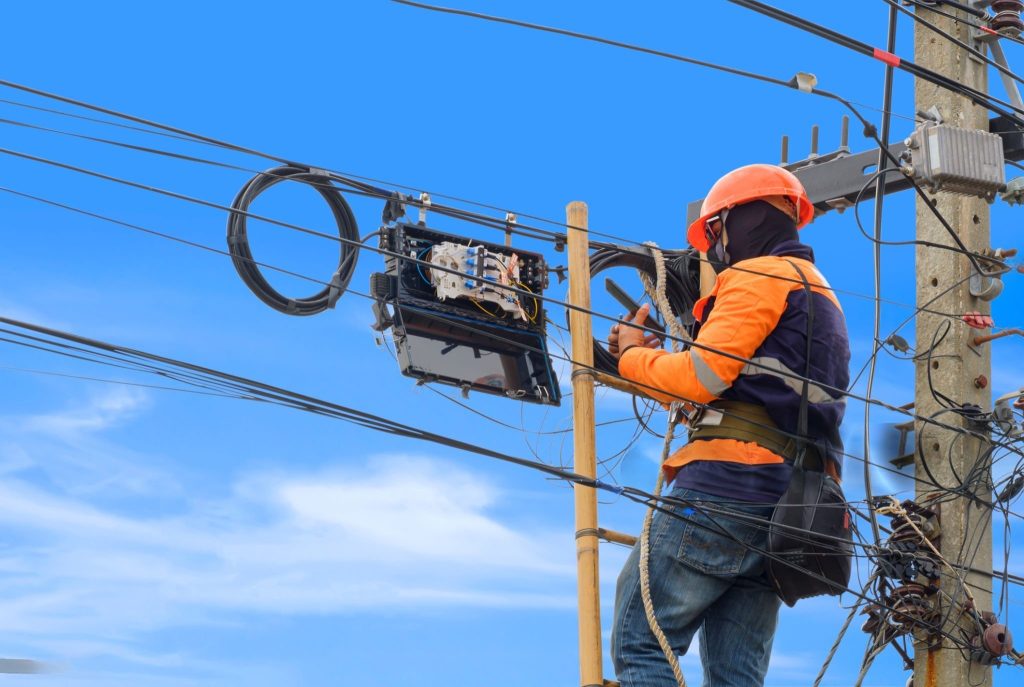
When it comes to building a reliable and high-speed network, fiber optic technology is at the heart of it all. Whether you’re an ISP planning to expand coverage or a business upgrading your infrastructure, understanding the basics of fiber connectivity can save you time, money, and a lot of headaches.
In this guide, we’ll walk you through what fiber connectivity is, why it’s important, and how you can start building your own fiber-based network.
What Is Fiber Connectivity?
Fiber connectivity uses thin strands of glass or plastic fibers to transmit data as pulses of light. Unlike copper cables that rely on electrical signals, fiber optics offer faster speeds, greater bandwidth, and longer transmission distances—making them the top choice for modern networks.
Simply put:
More speed. Fiber supports gigabit and even terabit speeds.
More reliability. Less interference compared to copper or wireless links.
More distance. Data can travel kilometers without major signal loss.
Why ISPs and Businesses Are Moving to Fiber
Fiber isn’t just a luxury anymore—it’s becoming a necessity. Here’s why more providers and enterprises are making the switch:
Future-proof investment: Handles current and next-generation internet speeds.
Scalable: Easily supports more users without sacrificing performance.
Low latency: Ideal for video conferencing, gaming, and critical real-time applications.
Better uptime: Immune to many environmental factors that affect copper cables.
For ISPs, fiber means happy subscribers and fewer complaints about slow speeds. For businesses, it means more productive teams and smoother operations.
Basic Components of a Fiber Network
Before you start shopping for fiber products, it’s good to know the essentials:
Fiber Optic Cables – The backbone of your network, available in single-mode (long-distance) and multi-mode (shorter links).
Connectors and Pigtails – Small components that connect fiber cables to devices and patch panels.
Patch Panels and ODFs – Organize and protect your fiber connections in one place.
Splice Closures and Enclosures – Keep spliced fibers safe from environmental damage.
Testing Tools – OTDR testers and cleaning kits ensure your links perform at their best.
Tips for Getting Started
Plan your network layout. Map out routes, endpoints, and distances before buying equipment.
Choose quality products. Low-cost fiber components often lead to frequent repairs and downtime.
Hire skilled technicians. Proper installation and splicing are crucial for long-term reliability.
Think ahead. Invest in gear that can support future expansion without costly replacements.
Wrapping Up
Fiber connectivity is no longer just for big telcos—it’s accessible for small ISPs, businesses, and even rural community projects. With the right planning and reliable products, you can build a high-speed, stable, and future-ready network that keeps your users connected.
If you’re ready to start your fiber journey, IT Warehouse offers trusted fiber optic solutions—from cables and patch cords to complete FTTH kits. Get in touch with us today for expert advice and top-quality products that fit your project needs.